Posted on: 5 September 2025
A Brief History of the Construction and Life of a Pillbox
Of all the pillboxes which have survived at Studland, one stands out as being the most famous. Below Redend Point and the later Fort Henry observation post is a FW3/25 ‘Armco’ pillbox of 1940 origin. It is by far the most photographed of pillboxes at Studland and has made multiple television appearances, together with being referenced in some of the only published research on Studland to date, such as William Foot’s Beaches, Fields, Streets, and Hills (1).
Despite all this publicity, very little attempt appears to have been made to trace its actual history. This article will try to address what is really known about this building. However, it should always be noted that when focusing on one individual structure, that the defence landscape in 1940 was highly complex and far from based around concrete pillboxes alone. It is thus preferable to consider the research presented here as a building history, not an investigation into the defence landscape which the pillbox was integrally integrated.
Despite all this publicity, very little attempt appears to have been made to trace its actual history. This article will try to address what is really known about this building. However, it should always be noted that when focusing on one individual structure, that the defence landscape in 1940 was highly complex and far from based around concrete pillboxes alone. It is thus preferable to consider the research presented here as a building history, not an investigation into the defence landscape which the pillbox was integrally integrated.
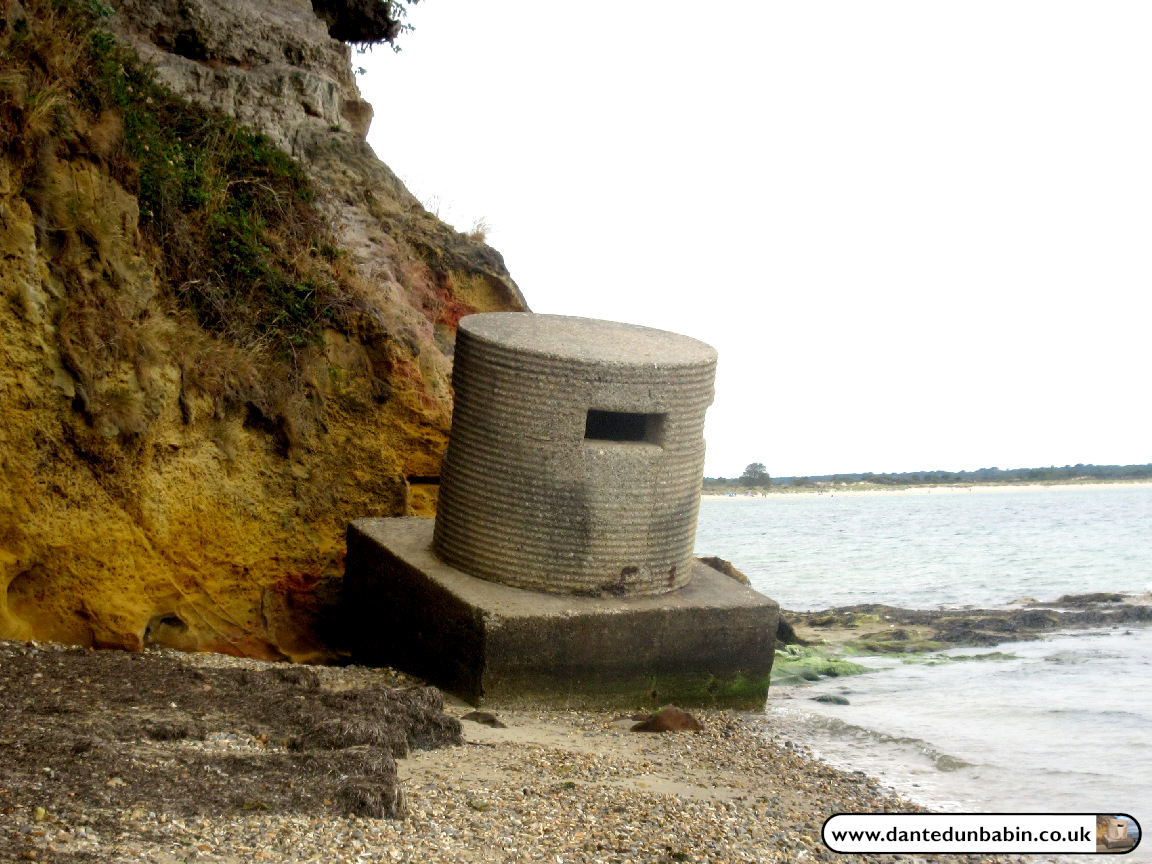
Figure 1: The Armco FW3/25 below Redend Point. Image Copyright © Dante Dunbabin.
Background
Whenever looking at any archaeological feature in the landscape, context is vital both to establish the boundaries of research, and the nature of the structure itself. On the 10th May 1940 the defence of the United Kingdom changed drastically when Germany invaded France and the low countries. Since November 1939 British Homes Forces, led by General Sir Walter Kirke, had a prepared strategy for responding to an invasion called the ‘Julius Caesar’ plan, and the code word ‘Julius’ was shortly issued to indicate that an attack on the UK was now considered likely. However, this strategy was focused on the defence of East Anglia and the South East, not Dorset. Troops then based in Swanage do not even record receiving the codeword and limited action appears to have taken place at Studland until a few weeks later.
Wider coastal defence strategy was starting to rapidly change during this time and by the end of May construction of an Emergency Coastal Defence Battery on Brownsea Island had started, together with the prepared demolition of dock facilities at Poole and Swanage. Kirke was ardently opposed to the linear defence of beaches which brought him into conflict with both the Chiefs of Staff and War Cabinet. For largely political reasons which are not important here, Kirke was removed as Commander-in-Chief Home Forces on the 27th May and replaced by General Sir Edmond Ironside, until recently Chief of the Imperial General Staff.
Ironside’s arrival as CinC together with wider War Officer and Cabinet pressure forced a shift in defence strategy to include linear defence of the coastline, and with the northern French coast in enemy hands, Studland was now considered a possible targeted. One of Kirk’s last actions had been to commission a defensive survey of the UK coastline. The report which covered Studland was finished on the 7th June and recommended that a pair of guns be sited ‘to cover the beach between Studland town and Branksome Chine on the county boundary’ and that ‘it is of great importance also that the above mentioned beaches between Swanage and Canford Cliffs (Bournemouth) should be thoroughly obstructed with Dragon’s Teeth and Dannert wire, tank pite, mines, if and where possible, pill boxes and field artillery emplacements as this is considered a very dangerous area.’
Wider coastal defence strategy was starting to rapidly change during this time and by the end of May construction of an Emergency Coastal Defence Battery on Brownsea Island had started, together with the prepared demolition of dock facilities at Poole and Swanage. Kirke was ardently opposed to the linear defence of beaches which brought him into conflict with both the Chiefs of Staff and War Cabinet. For largely political reasons which are not important here, Kirke was removed as Commander-in-Chief Home Forces on the 27th May and replaced by General Sir Edmond Ironside, until recently Chief of the Imperial General Staff.
Ironside’s arrival as CinC together with wider War Officer and Cabinet pressure forced a shift in defence strategy to include linear defence of the coastline, and with the northern French coast in enemy hands, Studland was now considered a possible targeted. One of Kirk’s last actions had been to commission a defensive survey of the UK coastline. The report which covered Studland was finished on the 7th June and recommended that a pair of guns be sited ‘to cover the beach between Studland town and Branksome Chine on the county boundary’ and that ‘it is of great importance also that the above mentioned beaches between Swanage and Canford Cliffs (Bournemouth) should be thoroughly obstructed with Dragon’s Teeth and Dannert wire, tank pite, mines, if and where possible, pill boxes and field artillery emplacements as this is considered a very dangerous area.’
Identifying Units
To understand the evolution and history of any anti-invasion pillbox, it is vital to identify the units which built it and those who were intended to provide a garrison. This is not always an easy task as during the summer of 1940 and over the next two years, units of the British Army moved regularly around the UK. During the majority of June, Studland was defended by an assortment of machine gun and armoured reconnaissance units under the command of Bovington Garrison. Their War Diaries record constructing defences at Studland, yet details are few and far between. Apart from several roadblocks built in the area by the Dorset County Council, it would appear that concrete works were limited during this time.
From the 22nd June the area of coastline from New Milton to Lyme Regis was handed over to the 50th (Northumbrian) Division which had recently returned from France and reinforced with elements of the now disbanded 23rd (Northumbrian) Division. East Dorset was assigned to the 69th Infantry Brigade and the 5th Battalion East Yorkshire Regiment arrived to defend the Kimmeridge – Studland area on the 27th June. The 50th Division in Dorset and the 4th Infantry Division in Hampshire collectively came under the command of 5th Corps.
From the 22nd June the area of coastline from New Milton to Lyme Regis was handed over to the 50th (Northumbrian) Division which had recently returned from France and reinforced with elements of the now disbanded 23rd (Northumbrian) Division. East Dorset was assigned to the 69th Infantry Brigade and the 5th Battalion East Yorkshire Regiment arrived to defend the Kimmeridge – Studland area on the 27th June. The 50th Division in Dorset and the 4th Infantry Division in Hampshire collectively came under the command of 5th Corps.
Siting of Defences
Reconnaissance work started immediately after the arrival of the 69th Brigade and it would appear that sometime between the 23rd and 26th June 1940 a defence scheme and construction schedule was prepared for Studland, yet if this was committed to paper, a copy is not known to have survived. At the end of June, the 233rd Field Company Royal Engineers was working on anti-tank defences at Studland, yet at the beginning of July they were replaced by elements of the 240th Field Company RE. The 50th Division had suddenly been presented with a huge number of construction tasks which its own engineers could not complete on their own, and as such corps level engineers were deployed to construct division tasks. However, 5th Corps did not have its own engineers, and it was instead arranged to temporarily borrow three field companies and one field park company from II Corps, including the 240th Field Company, which now became 5th Corps engineers. The 240th had spent 3 months mining in France and now on its return to England consisted of 5 officers and 226 other ranks. However, the company only had one requisitioned car and one requisitioned lorry, with only one rifle per man and limited supplies of ammunition.
The defence scheme which appears to have been agreed between the 69th Brigade and 233rd Field Company sometime around the 25th June was finally put down on paper on the 2nd July with the 240th laying out the ambitious construction projects which faced them. The largest defences under construction were the anti-tank obstacles of which there were ten separate defences planned at Studland. These are described in detail as are the locations of some pillboxes, yet not the one below Redend Point.
It was not until the 6th July that the first mention is made of the pillbox at Redend Point. On this date the 240th Field Company filed a progress report which lists all construction tasks then underway at Studland. The Redend Point Pillbox is listed along with 14 others as being a ‘Standard Armco Pill Box’ with ‘Material on site’ and an expected completion date of 12th July 1940.
The defence scheme which appears to have been agreed between the 69th Brigade and 233rd Field Company sometime around the 25th June was finally put down on paper on the 2nd July with the 240th laying out the ambitious construction projects which faced them. The largest defences under construction were the anti-tank obstacles of which there were ten separate defences planned at Studland. These are described in detail as are the locations of some pillboxes, yet not the one below Redend Point.
It was not until the 6th July that the first mention is made of the pillbox at Redend Point. On this date the 240th Field Company filed a progress report which lists all construction tasks then underway at Studland. The Redend Point Pillbox is listed along with 14 others as being a ‘Standard Armco Pill Box’ with ‘Material on site’ and an expected completion date of 12th July 1940.
Royal Engineer Work Services
Before any further description of the construction is made, it is important to understand the chain of command and different organisations involved.
The General Officer Commanding (GOC) Southern Command employed, as part of his headquarters, a brigadier to act as Chief Engineer (CE). This CE, who in 1940 was Brigadier Harold North, employed their own staff of regional engineers who administered the construction requirements of the Army in their respective areas, a system referred to as Royal Engineers Work Services (REWS). Southern Command was divided into districts, each of which was assigned a Commander Royal Engineers (CRE). For Studland this was CRE Weymouth (later renamed CRE Dorset). Work Services across all the Home Commands in the UK were controlled by the Department of Fortifications and Works (DFW) at the War Office.
Like most aspects of the British Army Forces, REWS had been neglected during the inter-war years. At the outbreak of war in 1939, large numbers of retired RE Officers were recalled to fill vacancies now created by an expansion of military construction tasks. CRE Weymouth was one Lt. Col. Frank Preedy. After service on the Western Front during the First World War and afterwards in India, he retired in 1935 to a cottage in Spetisbury near Blandford Forum only to be abruptly recalled for service at the age of 52.
In addition to staff at CRE Weymouth’s headquarters in Winterbourne Monkton, Deputy Commander Royal Engineers (DCREs) were employed to manage the sub-districts of Weymouth, Sherborne, and Blandford, with Studland in the catchment area of DCRE Bovington. Only very limited records have survived for REWS outside of the Southern Commands Chief Engineer’s office, and at the date of writing it has not been possible to identify the officer who held the position of DCRE Bovington. Although several letters written by him survive, the signature is ineligible. However, his signature includes the typed text Major(R) indicating that like Preedy, he was an officer on the retired list who had been recalled on mobilization.
The General Officer Commanding (GOC) Southern Command employed, as part of his headquarters, a brigadier to act as Chief Engineer (CE). This CE, who in 1940 was Brigadier Harold North, employed their own staff of regional engineers who administered the construction requirements of the Army in their respective areas, a system referred to as Royal Engineers Work Services (REWS). Southern Command was divided into districts, each of which was assigned a Commander Royal Engineers (CRE). For Studland this was CRE Weymouth (later renamed CRE Dorset). Work Services across all the Home Commands in the UK were controlled by the Department of Fortifications and Works (DFW) at the War Office.
Like most aspects of the British Army Forces, REWS had been neglected during the inter-war years. At the outbreak of war in 1939, large numbers of retired RE Officers were recalled to fill vacancies now created by an expansion of military construction tasks. CRE Weymouth was one Lt. Col. Frank Preedy. After service on the Western Front during the First World War and afterwards in India, he retired in 1935 to a cottage in Spetisbury near Blandford Forum only to be abruptly recalled for service at the age of 52.
In addition to staff at CRE Weymouth’s headquarters in Winterbourne Monkton, Deputy Commander Royal Engineers (DCREs) were employed to manage the sub-districts of Weymouth, Sherborne, and Blandford, with Studland in the catchment area of DCRE Bovington. Only very limited records have survived for REWS outside of the Southern Commands Chief Engineer’s office, and at the date of writing it has not been possible to identify the officer who held the position of DCRE Bovington. Although several letters written by him survive, the signature is ineligible. However, his signature includes the typed text Major(R) indicating that like Preedy, he was an officer on the retired list who had been recalled on mobilization.
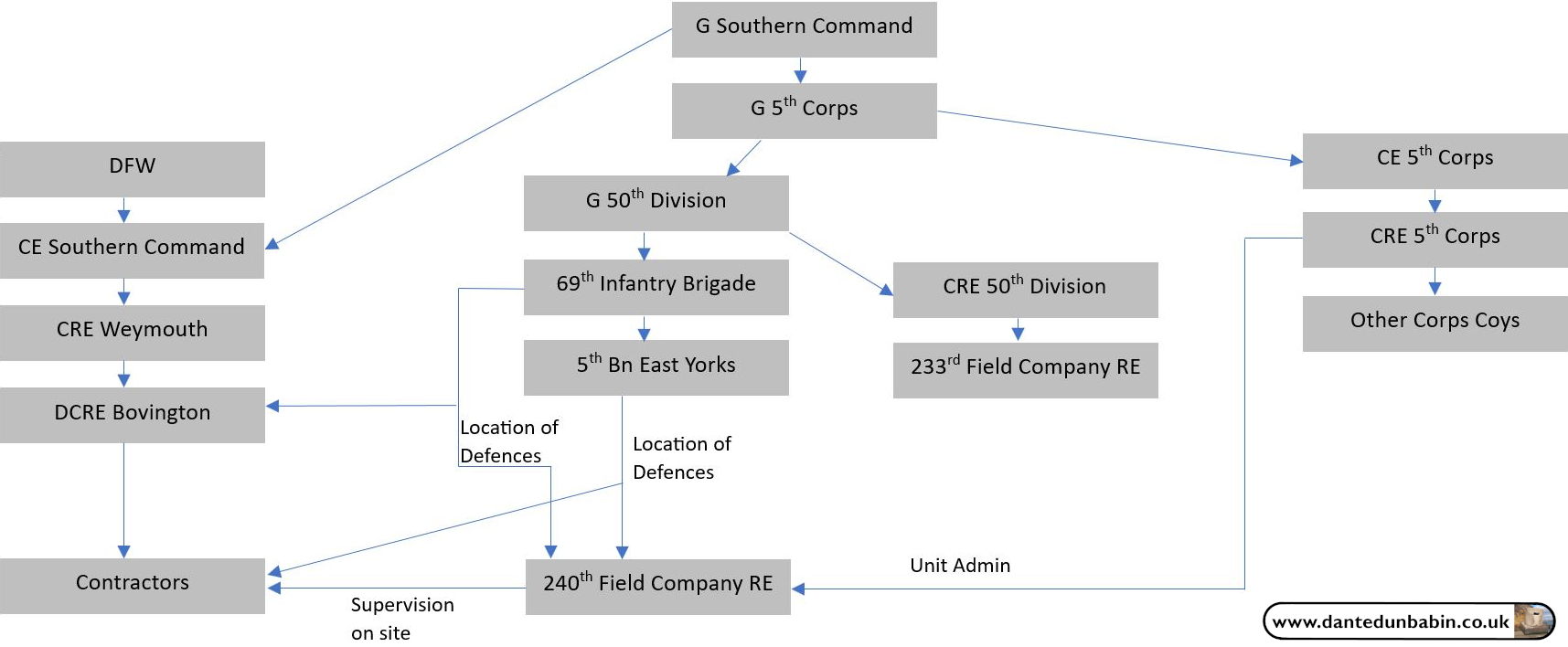
Figure 2: Engineer chain of command in Southern Command at the beginning of July 1940. Units not directly involved in construction at Studland are not shown. Image Copyright © Dante Dunbabin.
Armco Pillboxes
The exact history of the ‘Armco’ pillbox is unclear, yet it would appear that it started as a commercial venture by the Engineering and Metals Company of London, and then incorporated into DFW drawings at a later date. On the 25th May 1940 the DFW forwarded a description and plan of the ‘Armco’ now given the official drawing number of FW3 Drawing No.25 (FW3/25) to CEs of the Home Commands and invited them to submit orders. CE Southern Command subsequently ordered 75 kits.
Frank Preedy was especially fond of prefabricated commercial designs, likely swayed by the fast construction times promised by manufactures, and an order for 152 pillboxes of three different designs was placed on the 25th June 1940. Twenty FW3/25s were ordered for Dorset at a cost of £32 2. 6d. each, 18 of which were delivered via Wool Station to DCRE Bovington for installation along the coast.
Frank Preedy was especially fond of prefabricated commercial designs, likely swayed by the fast construction times promised by manufactures, and an order for 152 pillboxes of three different designs was placed on the 25th June 1940. Twenty FW3/25s were ordered for Dorset at a cost of £32 2. 6d. each, 18 of which were delivered via Wool Station to DCRE Bovington for installation along the coast.
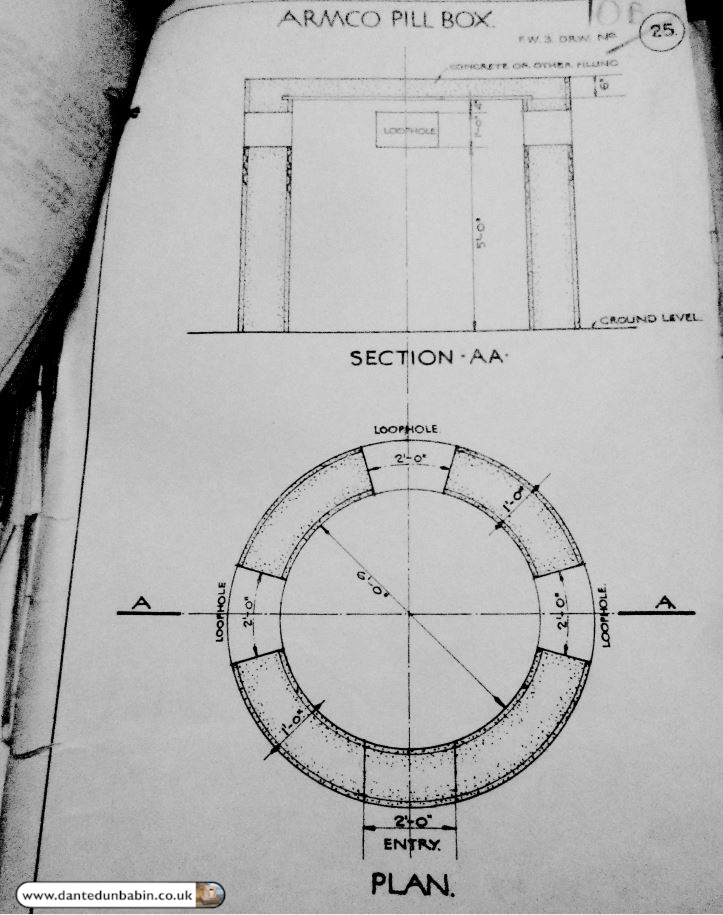
Figure 3: Original copy of the Armco FW3/25 drawing sent to Southern Command’s Chief Engineer on 25th May 1940. Image Copyright © Dante Dunbabin / The National Archives
A kit consisted of an outer and inner sheet of corrugated iron shuttering together with shuttering for the roof, door and loopholes. The Engineering and Metals Company intended that construction of the shuttering would only take one hour, yet it appears Southern Command did not test a single kit before placing the first order, or the proposal that the pillbox could take a garrison of four with three automatic weapons.
Construction Times
We now know for certain that the 240th Field Company RE at least started the construction of the Redend Point pillbox, yet what is less clear is when it was finished. The detailed progress report referred to above is a rare survival in War Diaries and it has not been possible to identify the exact completion date for this pillbox.
However, general statistics for Studland are listed in 50th Division’s War Diary and various 5th Corps progress reports which indicate that the completion date of 12th July was almost certainly not reached. It is known that only 24 infantry pillboxes were completed at Studland by the end of 1940, and statistics record that three were completed on the 3rd August, another nine on the 10th, and a further eight on the 24th August. Because 20 were completed in August, a maximum of only four could have been completed in July, despite the 240th intending to have 14 complete by the 12th July. Although it is possible that the Redend Point pillbox was one of the four completed in July, it is most likely that its construction was delayed.
This delayed construction means that the pillbox was almost certainly not finished by the 240th Field Company RE as they were replaced at Studland on the 13th July by No.2 Section of the 751st Field Company RE (II Corps field companies having been returned to II Corps and replaced by units from Western Command). It is also worth noting that private contractors are known to have been engaged at Studland constructing permanent defences, and it is likely that they were involved in building the Redend Point pillbox. Proving this one way or another is hard as all contractors were under the overall direction of DCRE Bovington and the records for this office have not survived. Although the War Diaries of both the 5th East Yorks and 69th Infantry Brigade refer to supervising contractors at Studland, they are unspecific about exactly which defence works. Only two companies have been confirmed as working at Studland at the date of writing, Jones and Seaward Ltd. of Bournemouth and A&E Marshallsay Brothers of Swanage who carried out haulage work for Jones and Seaward, although there were likely many more.
The exact reasons for the delays completing pillboxes is open to speculation yet from references in War Diaries it would appear that the most likely problem was a shortage of both labour and transport to get the materials in the right place. The 5th East Yorks War Diary refers to private contractors only having enough fuel for their vehicles to work at Studland for one day of the week, although this problem appears to have been quickly fixed. Combined with the fact that many pillboxes at Studland were in remote locations and had to be built largely by hand, the longer construction time becomes more clear.
However, general statistics for Studland are listed in 50th Division’s War Diary and various 5th Corps progress reports which indicate that the completion date of 12th July was almost certainly not reached. It is known that only 24 infantry pillboxes were completed at Studland by the end of 1940, and statistics record that three were completed on the 3rd August, another nine on the 10th, and a further eight on the 24th August. Because 20 were completed in August, a maximum of only four could have been completed in July, despite the 240th intending to have 14 complete by the 12th July. Although it is possible that the Redend Point pillbox was one of the four completed in July, it is most likely that its construction was delayed.
This delayed construction means that the pillbox was almost certainly not finished by the 240th Field Company RE as they were replaced at Studland on the 13th July by No.2 Section of the 751st Field Company RE (II Corps field companies having been returned to II Corps and replaced by units from Western Command). It is also worth noting that private contractors are known to have been engaged at Studland constructing permanent defences, and it is likely that they were involved in building the Redend Point pillbox. Proving this one way or another is hard as all contractors were under the overall direction of DCRE Bovington and the records for this office have not survived. Although the War Diaries of both the 5th East Yorks and 69th Infantry Brigade refer to supervising contractors at Studland, they are unspecific about exactly which defence works. Only two companies have been confirmed as working at Studland at the date of writing, Jones and Seaward Ltd. of Bournemouth and A&E Marshallsay Brothers of Swanage who carried out haulage work for Jones and Seaward, although there were likely many more.
The exact reasons for the delays completing pillboxes is open to speculation yet from references in War Diaries it would appear that the most likely problem was a shortage of both labour and transport to get the materials in the right place. The 5th East Yorks War Diary refers to private contractors only having enough fuel for their vehicles to work at Studland for one day of the week, although this problem appears to have been quickly fixed. Combined with the fact that many pillboxes at Studland were in remote locations and had to be built largely by hand, the longer construction time becomes more clear.
Location, Construction Specification, Camouflage and Use.
When the pillbox became a Grade II listed building in 2012, Historic England (HE) wrote an Official List Entry (OLE) which claims two incorrect details about this pillbox.(2) Firstly, that it was constructed after August 1941 and secondly that it was originally located on the clifftop. The source for the former claim is an RAF aerial photograph from August 1941 which HE states does not show the pillbox. The image they refer to appears to be RAF/1416/S407H50/47 (Figure 6) from 16th August 1941 and an examination of this image clearly shows the pillbox located in almost exactly the same location as it is today.
By measuring the pillbox, we can confirm that it matches the specification given in the original drawing almost exactly, as would be expected in a prefabricated design. What the design does not include are any gun mounts/rests. An examination of the pillbox's interior shows what appears to be the remains of fixings for either wood or metal supports of some kind with two indentations in the concrete below each of the three embrasures containing the remains of metal. The nearest FW3/25 with surviving gun rests is at Kimmeridge just along the coast. The pillbox here was almost certainly built with a kit from the same batch as those used at Studland as Kimmeridge was also in the area of DCRE Bovington. By comparing the two pillboxes it appears likely that the Redend Point pillbox had a similar style of gun rests installed as at Kimmeridge, although with a different type of metal support. However, what is perhaps most interesting here is that the embrasures at Kimmeridge are angled to reduce the area open to incoming fire. As can be seen from the original drawing above, this was not part of the original design. What this does prove is that constructors were left to improvise locally regarding the exact nature of the FW3/25.
By measuring the pillbox, we can confirm that it matches the specification given in the original drawing almost exactly, as would be expected in a prefabricated design. What the design does not include are any gun mounts/rests. An examination of the pillbox's interior shows what appears to be the remains of fixings for either wood or metal supports of some kind with two indentations in the concrete below each of the three embrasures containing the remains of metal. The nearest FW3/25 with surviving gun rests is at Kimmeridge just along the coast. The pillbox here was almost certainly built with a kit from the same batch as those used at Studland as Kimmeridge was also in the area of DCRE Bovington. By comparing the two pillboxes it appears likely that the Redend Point pillbox had a similar style of gun rests installed as at Kimmeridge, although with a different type of metal support. However, what is perhaps most interesting here is that the embrasures at Kimmeridge are angled to reduce the area open to incoming fire. As can be seen from the original drawing above, this was not part of the original design. What this does prove is that constructors were left to improvise locally regarding the exact nature of the FW3/25.
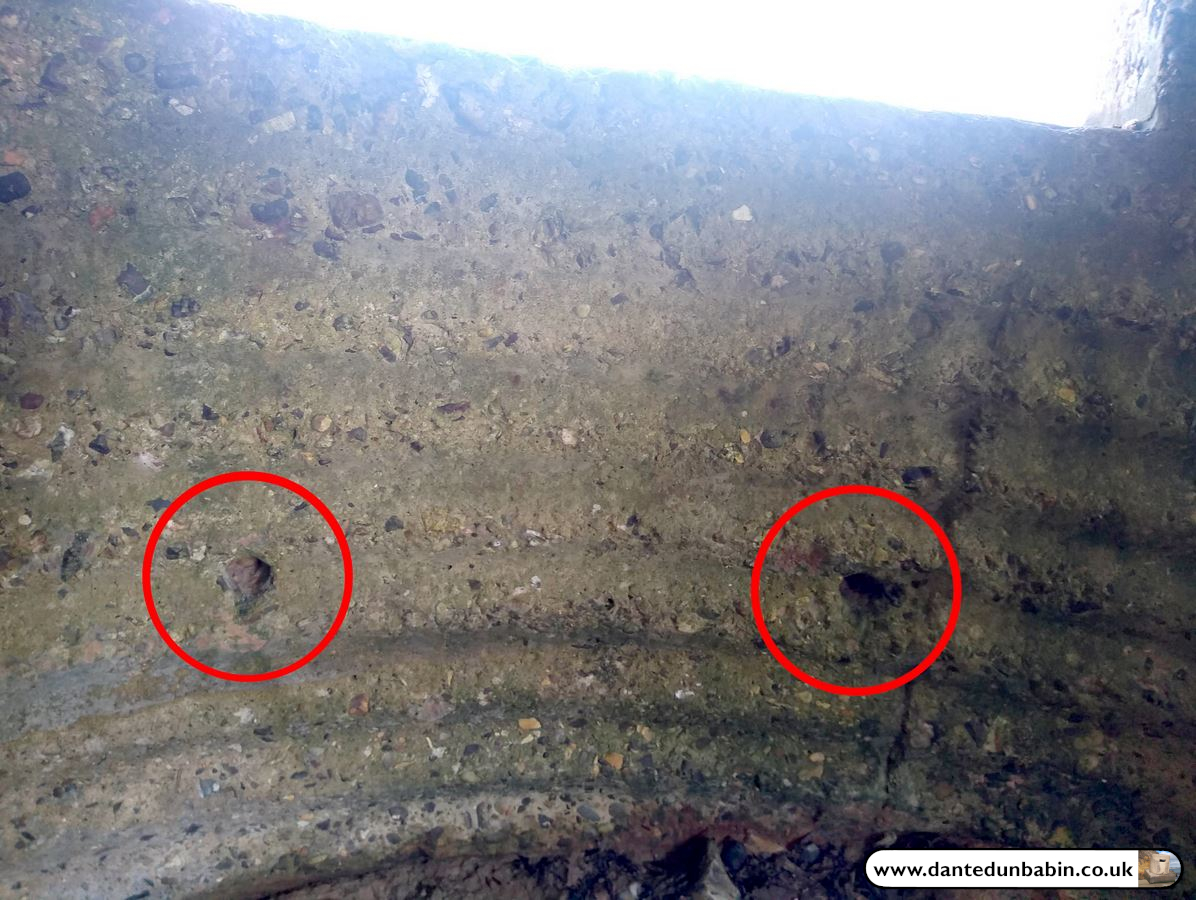
Figure 4: The interior of the Redend Point FW3/25. Note the remains of the metal gun rest supports, now only just visible as indents in the corrugated iron shuttered interior. Image Copyright © Dante Dunbabin
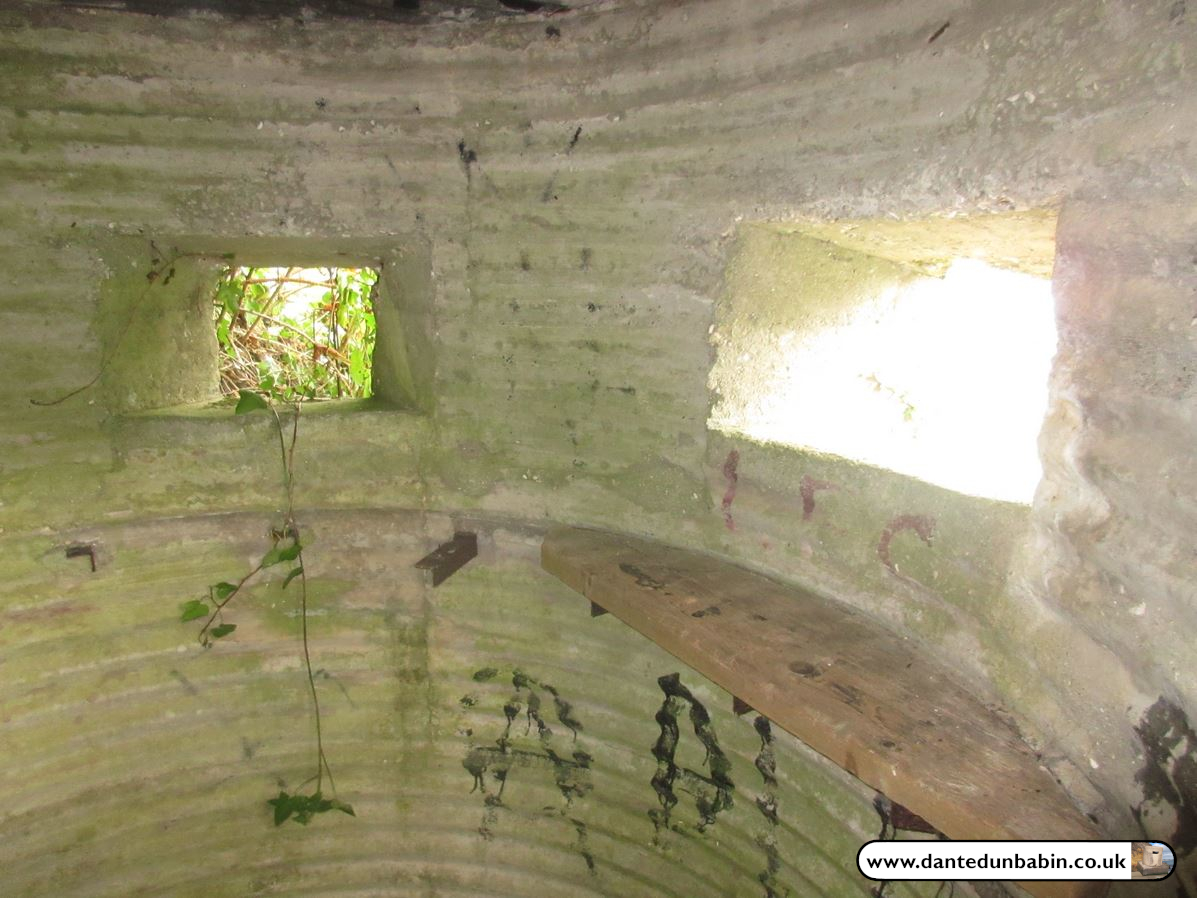
Figure 5: The interior of a FW3/25 at Kimmeridge SY 90954 78762 photographed in 2020. Note the angled embrasures and original gun rests. Image Copyright © Dante Dunbabin
An invaluable source when examining the camouflage of defences at Studland is a schedule and map prepared for the Banks Estate in December 1940. Unfortunately, the Redend Point FW3/25 is not listed. This is not a point for concern as multiple other defence structures have also been omitted, most likely in error. However, from the 1941 aerial photograph we can clearly see that sand has been piled up against the outside to conceal the pillbox against the cliff. It is likely that sandbags were stacked against the pillbox as well, and the entrance further camouflaged, perhaps with a shuttered entrance way of some kind. A significant number of other defence works are also visible in this image.
Figure 6: RAF/1416/S407H50/47. Image Copyright © Historic England
When looking at earlier images of South Beach taken in February 1941, the pillbox is almost completely invisible. In the image below showing a trial of a Petroleum Warfare Department Sea Flame Barrage, only the embrasures of the pillbox are just visible, and it appears the camouflage scheme has incorporated a cliff fall. It has not been possible to verify if the cliff fall postdates or predates the pillbox construction.
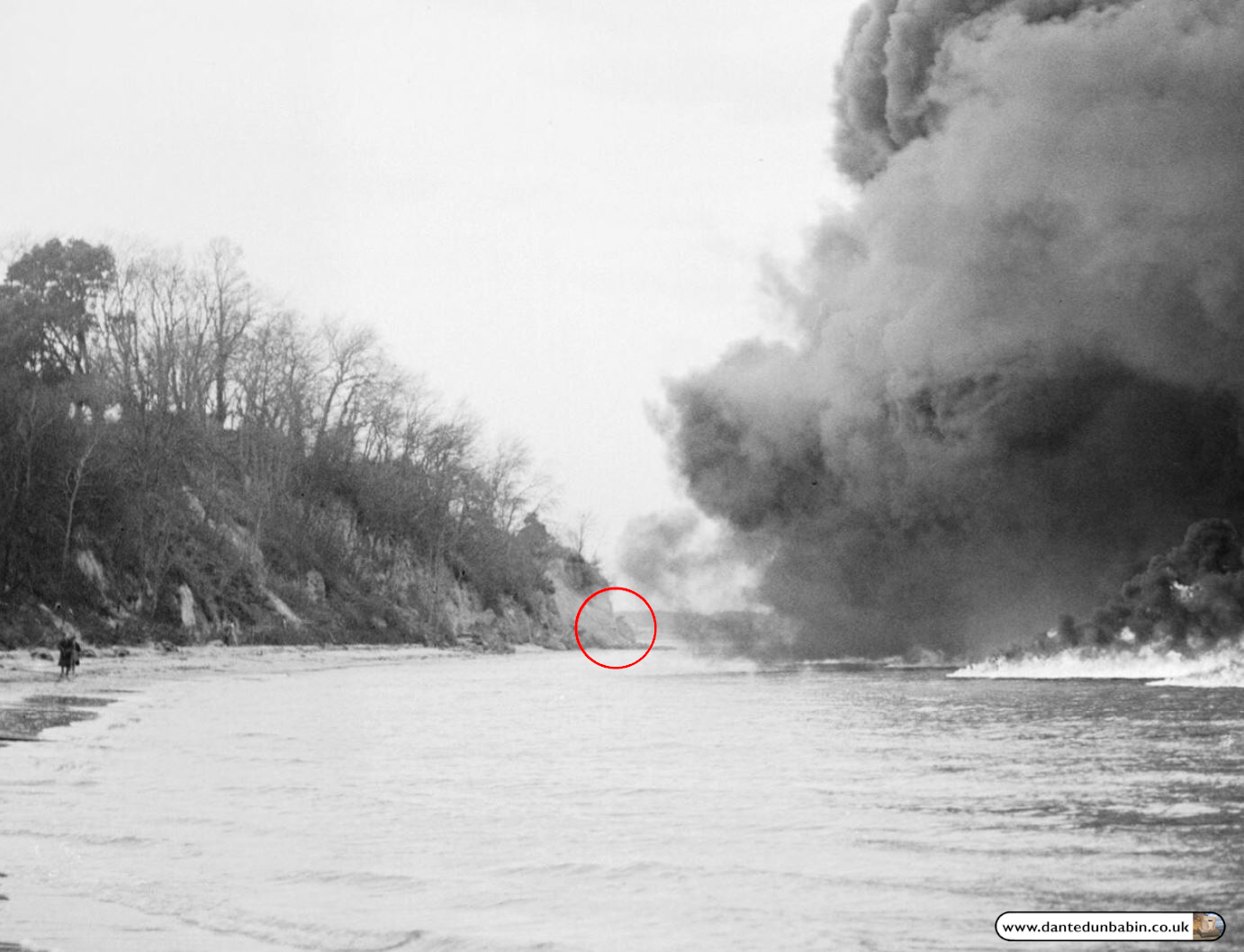
Figure 7: H 7019, Lt Malindine, 01/02/1941. Image Copyright © IWM
Abandonment
Exactly what the infantry of the 5th East Yorks thought when the FW3/25s were completed with their only 12-inch thick concrete walls, 24-inch wide embrasures and largely exposed positions has not been recorded. The manufacturer claimed that the pillbox could take a garrison of four with three automatic weapons, yet this seems unlikely. Although an educated guess could be made by putting four reenactors in the pillbox, ultimately, we simply don’t know what garrison would have been provided in the summer of 1940.
How long this pillbox remained in use is another debatable point. By March 1941 Southern Command formally communicated that pillbox construction should stop, and field works should be constructed around pillboxes already in existence to strengthen their position. If this would not be possible then the pillbox should be abandoned. However, there is evidence to suggest that this policy was not uniformly implemented.
Dissatisfaction with pillboxes appears to have started much earlier. In October 1940, the 50th Division brigades were replaced along the East Dorset coast by the 210th Infantry Brigade with the 7th Bn Suffolks at Studland and Sandbanks. Just along the coast at Lulworth, Michael Joseph, a company commander in the 9th Bn Royal West Kents recorded that:
‘I had pictured a strongly fortified zone, with abundant wire, pill boxes, trenches, and well organised communications. There certainly was wire, but what little there was looked limp and neglected. There were a few pill boxes, “not much use,” I was told. There were trenches and weapon pits, some of them containing several feet of water, and others abandoned because they were falling to pieces. One or two bedraggled camouflage nets were lying about.’(3)
Joseph goes onto explain further that the pillboxes which did exist along his front were considered to be both badly sited and constructed leading to his company largely abandoning them. It is unclear if this also happened at Studland, yet it is very likely. Only one pillbox is known to have been formally abandoned at Studland from correspondence found in Southern Command’s registered files, and this was another FW3/25 in April 1941, located adjacent to the Ferry at South Haven Point. It is likely that many more pillboxes were abandoned locally during this time, yet this is hard to prove.
In early 1942, a major restructuring of the defences along the Dorset Coast was undertaken. The 113th (Welsh) Infantry Brigade was now defending East Dorset and they broke up the defensive positions into numbered Forward Defence Positions (FDLs) to be manned at Action Stations. Studland had four FDLs, including ‘C2’ at Redend Point. However, as the pillbox below the cliff was separated from the 4-inch and 6-pounder gun emplacements and trenches located above, it is almost certain that the pillbox had been abandoned by this point.
How long this pillbox remained in use is another debatable point. By March 1941 Southern Command formally communicated that pillbox construction should stop, and field works should be constructed around pillboxes already in existence to strengthen their position. If this would not be possible then the pillbox should be abandoned. However, there is evidence to suggest that this policy was not uniformly implemented.
Dissatisfaction with pillboxes appears to have started much earlier. In October 1940, the 50th Division brigades were replaced along the East Dorset coast by the 210th Infantry Brigade with the 7th Bn Suffolks at Studland and Sandbanks. Just along the coast at Lulworth, Michael Joseph, a company commander in the 9th Bn Royal West Kents recorded that:
‘I had pictured a strongly fortified zone, with abundant wire, pill boxes, trenches, and well organised communications. There certainly was wire, but what little there was looked limp and neglected. There were a few pill boxes, “not much use,” I was told. There were trenches and weapon pits, some of them containing several feet of water, and others abandoned because they were falling to pieces. One or two bedraggled camouflage nets were lying about.’(3)
Joseph goes onto explain further that the pillboxes which did exist along his front were considered to be both badly sited and constructed leading to his company largely abandoning them. It is unclear if this also happened at Studland, yet it is very likely. Only one pillbox is known to have been formally abandoned at Studland from correspondence found in Southern Command’s registered files, and this was another FW3/25 in April 1941, located adjacent to the Ferry at South Haven Point. It is likely that many more pillboxes were abandoned locally during this time, yet this is hard to prove.
In early 1942, a major restructuring of the defences along the Dorset Coast was undertaken. The 113th (Welsh) Infantry Brigade was now defending East Dorset and they broke up the defensive positions into numbered Forward Defence Positions (FDLs) to be manned at Action Stations. Studland had four FDLs, including ‘C2’ at Redend Point. However, as the pillbox below the cliff was separated from the 4-inch and 6-pounder gun emplacements and trenches located above, it is almost certain that the pillbox had been abandoned by this point.
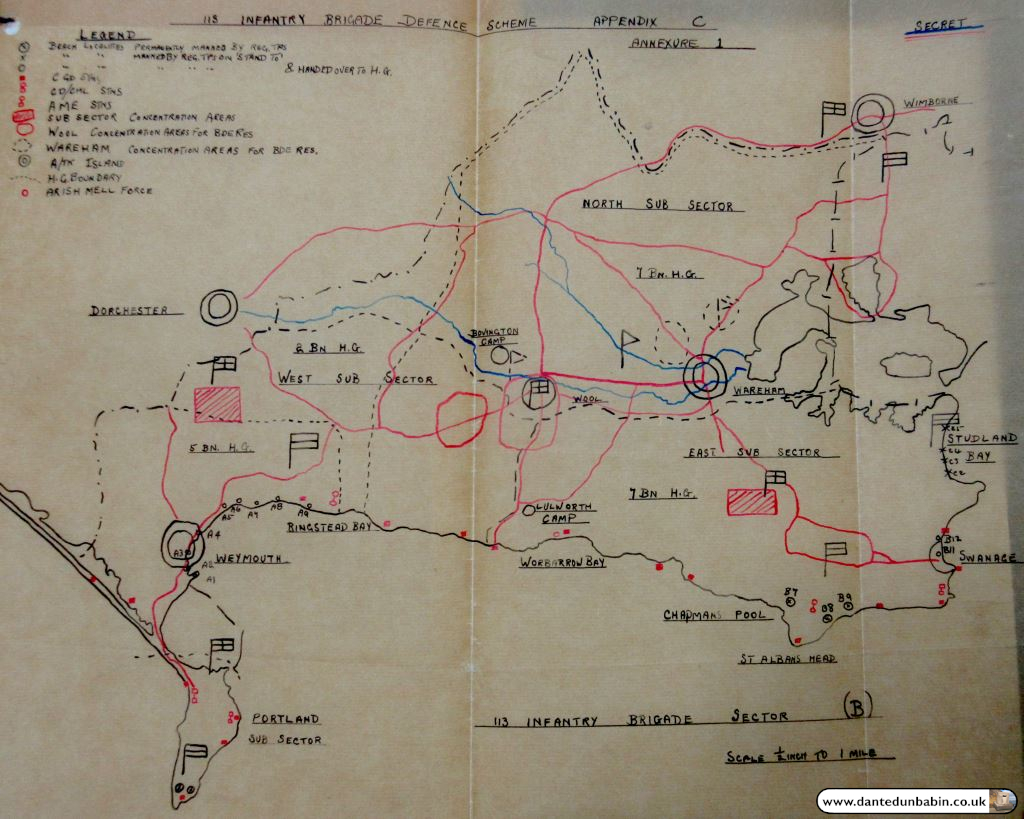
Figure 8: The 113 Infantry Brigade Defence Scheme for East Dorset dated February 1942. Note the new layout of FDLs which confirms the large scale abandoning of defences across the Dorset coastline. Image Copyright © Dante Dunbabin / The National Archives
Survival During The War Years
From August 1942 onwards, Studland officially became a Battle Training Area and in September 1943 it was converted to become an Assault Training Area. Although live fire training had been taking place at Studland long before this, it was during these years that many pillboxes became damaged or demolished altogether. However, Studland village was never evacuated apart from some houses near Knoll House, and together with the construction of the observation post ‘Fort Henry’ on Redend Point, the FW3/25 on the beach was kept out of harm's way for a significant amount of the training. Even when the beach scaffolding and barbed wire was cleared from South Beach in November 1943, it was only used for landing follow up formations without live firing.
It is for this reason that the pillbox remains today with so little evidence of damage. However, other pillboxes nearby were not so fortunate. At least two other FW3/25s were constructed to provide fire over South Beach, with one located just south of the chine, and the other at the top of the Ballard Down cliff. There is no clearly visible trace of either of these pillboxes today. It would appear that the pillbox on Ballard Down was demolished after the war, yet the one on the beach succumbed to a more notable fate. Video footage at the Imperial War Museum shows the pillbox being burned by an amphibious flame thrower called Sea Serpent. Although the film is dated 1943, the absence of beach scaffolding and presence of leaves in the trees indicate that it must have been filmed in the spring of 1944 or later.
It is for this reason that the pillbox remains today with so little evidence of damage. However, other pillboxes nearby were not so fortunate. At least two other FW3/25s were constructed to provide fire over South Beach, with one located just south of the chine, and the other at the top of the Ballard Down cliff. There is no clearly visible trace of either of these pillboxes today. It would appear that the pillbox on Ballard Down was demolished after the war, yet the one on the beach succumbed to a more notable fate. Video footage at the Imperial War Museum shows the pillbox being burned by an amphibious flame thrower called Sea Serpent. Although the film is dated 1943, the absence of beach scaffolding and presence of leaves in the trees indicate that it must have been filmed in the spring of 1944 or later.
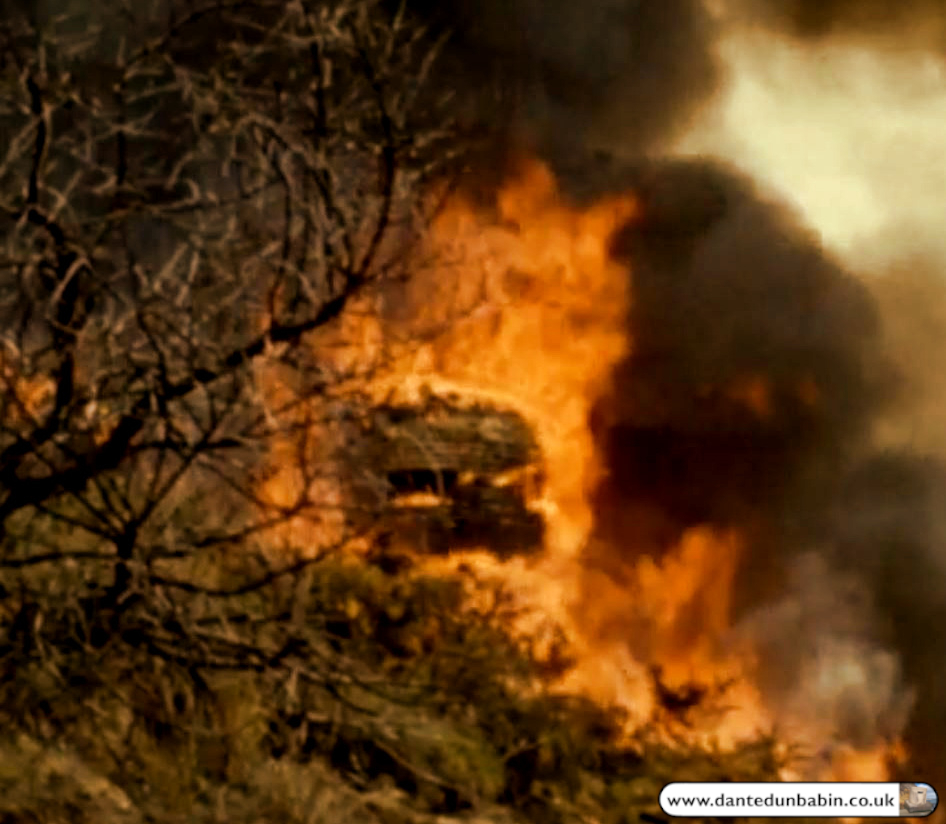
Figure 9: The other pillbox on South Beach. Destroyed sometime in 1944-45. Image Copyright © IWM WOY 770
Post War Survival
By the end of the Second World War, Studland resembled a scene not dissimilar to the Normandy bridgehead. Numerous invasion exercises and construction of defence works had left the area a warzone. This problem would not be easy to fix. Although the majority of the dangerous defence works would be removed by 1950, many permanent defence works still survive to this day and despite an extensive Explosive Ordnance Clearance (EOC) search of the former battle training area, the ordnance problem has never really gone away.
The process of removing defence works, restoring land to its pre-war state and paying compensation is highly complex and was effected by frequently changing government policy and differing opinions of those charged with implementing it. There has been a significant lack of research into this topic in general, and this article will not attempt to explain everything that happened.
Starting with the pillbox and defences around it, in August 1946 the Southern Command Land Agent (SLA) forwarded to Frederick Rhodes, agent to the Bankes Estate, a list of contractors to obtain quotes for the removal of defence works on estate land. The cost for removal would be paid by the War Office under the Compensation (Defence) Act 1939. Two quotes were subsequently obtained, both of which included the FW3/25 below Redend Point. However, the exact cost to remove the structure is not listed by either. James Drewitt’s quote came to £2,950 and Dem-Ex gave a figure of £3,850, yet as both these include numerous other defence works it is not possible to accurately estimate the cost of removal for the pillbox in question here.
Ultimately the Bankes Estate would not be involved further in dealing with contractors as government policy shifted again and the Ministry of Works (MoW) was given the responsibility of clearing all defence works. Frederick Rhodes was informed in April 1947 that the MoW would remove all temporary defence works (barbed wire, trenches etc) yet not the pillboxes, and Fort Henry on the cliff top.
Only correspondence from the Bankes Estate perspective has survived yet it would appear at this stage that the temporary defences at Studland were selected as a priority to remove. The MoW established a Temporary Defence Works Committee (TDWC) to categorise all defence works prior to work being carried out. A defence work could be assigned to one of three categories; A – remove as soon as possible when labour is available; B – needs to be removed yet no urgency; and finally C – not in the public interest to be removed.
Although it is not specifically stated, Studland barbed wire and trenches located nearby the Redend Point FW3/25 must have been designated as Category A, and they were largely removed by the end of 1948. The name of the contractor which carried out this work has not been recorded. In January 1949, Rhodes complained about the 4-inch gun emplacement on the cliff top, Fort Henry and the FW3/25 again to the MoW. A reply from the MoW in April that year confirms that the 4-inch gun emplacement had been put in Category B. The FW3/25 is not mentioned yet it appears to have also been designated Category B.
The final chapter in the Redend Point pillbox's history is a stroke of luck as although Rhodes continued to pressure the MoW to remove Fort Henry, the 4-inch gun emplacement and the FW3/25, a local lobbying effort led by Daphne Bankes and a Mrs Beckwith in 1950 led to Fort Henry being redesignated as Category C with a lump sum later agreed to allow the structure to remain on Bankes Estate land as a historical monument. It would appear that both the 4-inch gun emplacement and the FW3/25 were also changed to Category C at this time, yet again this is not specifically mentioned. Rhodes agreed in September 1951 that the FW3/25 would be included in a separate claim for the 4-inch gun emplacement to remain on the estate land, yet this is the last documentary reference to the building. In April 1953 the figure of £131 was agreed for the gun emplacement to remain, yet the presence of the FW3/25 does not feature in any of the written negotiations over the price. Whether Rhodes forgot about it, or simply did not care has not been recorded.
The process of removing defence works, restoring land to its pre-war state and paying compensation is highly complex and was effected by frequently changing government policy and differing opinions of those charged with implementing it. There has been a significant lack of research into this topic in general, and this article will not attempt to explain everything that happened.
Starting with the pillbox and defences around it, in August 1946 the Southern Command Land Agent (SLA) forwarded to Frederick Rhodes, agent to the Bankes Estate, a list of contractors to obtain quotes for the removal of defence works on estate land. The cost for removal would be paid by the War Office under the Compensation (Defence) Act 1939. Two quotes were subsequently obtained, both of which included the FW3/25 below Redend Point. However, the exact cost to remove the structure is not listed by either. James Drewitt’s quote came to £2,950 and Dem-Ex gave a figure of £3,850, yet as both these include numerous other defence works it is not possible to accurately estimate the cost of removal for the pillbox in question here.
Ultimately the Bankes Estate would not be involved further in dealing with contractors as government policy shifted again and the Ministry of Works (MoW) was given the responsibility of clearing all defence works. Frederick Rhodes was informed in April 1947 that the MoW would remove all temporary defence works (barbed wire, trenches etc) yet not the pillboxes, and Fort Henry on the cliff top.
Only correspondence from the Bankes Estate perspective has survived yet it would appear at this stage that the temporary defences at Studland were selected as a priority to remove. The MoW established a Temporary Defence Works Committee (TDWC) to categorise all defence works prior to work being carried out. A defence work could be assigned to one of three categories; A – remove as soon as possible when labour is available; B – needs to be removed yet no urgency; and finally C – not in the public interest to be removed.
Although it is not specifically stated, Studland barbed wire and trenches located nearby the Redend Point FW3/25 must have been designated as Category A, and they were largely removed by the end of 1948. The name of the contractor which carried out this work has not been recorded. In January 1949, Rhodes complained about the 4-inch gun emplacement on the cliff top, Fort Henry and the FW3/25 again to the MoW. A reply from the MoW in April that year confirms that the 4-inch gun emplacement had been put in Category B. The FW3/25 is not mentioned yet it appears to have also been designated Category B.
The final chapter in the Redend Point pillbox's history is a stroke of luck as although Rhodes continued to pressure the MoW to remove Fort Henry, the 4-inch gun emplacement and the FW3/25, a local lobbying effort led by Daphne Bankes and a Mrs Beckwith in 1950 led to Fort Henry being redesignated as Category C with a lump sum later agreed to allow the structure to remain on Bankes Estate land as a historical monument. It would appear that both the 4-inch gun emplacement and the FW3/25 were also changed to Category C at this time, yet again this is not specifically mentioned. Rhodes agreed in September 1951 that the FW3/25 would be included in a separate claim for the 4-inch gun emplacement to remain on the estate land, yet this is the last documentary reference to the building. In April 1953 the figure of £131 was agreed for the gun emplacement to remain, yet the presence of the FW3/25 does not feature in any of the written negotiations over the price. Whether Rhodes forgot about it, or simply did not care has not been recorded.
Postscript
Hopefully this article has answered at least a few questions relating to the history of this popular structure at Studland. Yet there is still so much that we don’t know about this building. Although a huge quantity of records survive relating to anti-invasion defence works in the United Kingdom, there is a limit to what they can tell us about individual defence works. Exactly what the men of the 5th East Yorks and 7th Suffolks thought of this pillbox and precisely how they wanted to use it within their defences is the biggest gap in our current knowledge, and unless private company and platoon level records surface, we will probably never know the answer for certain.
Note: only published sources are listed here. See my website Home page for a further explanation of sources. For this article the main records consulted are held at The National Archives in WO 166 and WO 199, and in the Bankes Archive (D-BKL) at Dorset History Centre.
(1) William Foot, Beaches, Fields, Streets, and Hills: The Anti-Invasion Landscape of England, 1940 (York: Council for British Archaeology, 2006), pp.65-74.
(2) 1411813 Pillbox below Redend Point https://historicengland.org.uk/listing/the-list/list-entry/1411813. Accessed 31/07/2025.
(3) Michael Joseph, The Sword In The Scabbard (London: Michael Joseph, 1942), pp.112-3.
Note: only published sources are listed here. See my website Home page for a further explanation of sources. For this article the main records consulted are held at The National Archives in WO 166 and WO 199, and in the Bankes Archive (D-BKL) at Dorset History Centre.
(1) William Foot, Beaches, Fields, Streets, and Hills: The Anti-Invasion Landscape of England, 1940 (York: Council for British Archaeology, 2006), pp.65-74.
(2) 1411813 Pillbox below Redend Point https://historicengland.org.uk/listing/the-list/list-entry/1411813. Accessed 31/07/2025.
(3) Michael Joseph, The Sword In The Scabbard (London: Michael Joseph, 1942), pp.112-3.
Copyright © DANTE DUNBABIN 2025-2026 - All Rights Reserved